🚚 Free Worldwide Shipping on All Orders!Shop Now

The Gift of Anger
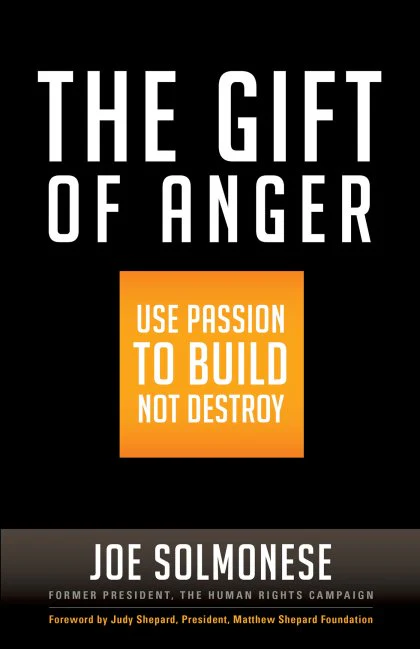
Under Joe Solmonese’s leadership, the Human Rights Campaign became the model other organizations look toward to create effective social and political change. Against daunting odds, HRC was instrumental in passing landmark national legislation such as the Matthew Shepard and James Byrd, Jr., Hate Crimes Prevention Act; repealing “Don’t Ask, Don’t Tell”; and passing marriage equality acts in eight states. How did Solmonese and HRC do it?
What Solmonese reveals in this book is that for him, the key to success was learning to harness his anger. Essentially it’s just a form of energy. Channeled, it can keep you moving forward on a long journey. But uncontrolled, it can blow everything up.
With this as his guiding principle, Solmonese uses stories from his work with HRC and his previous position as CEO of the powerful women’s organization EMILY’s List to share a series of often-surprising lessons. For example, empathize with your enemies instead of shaming them, find allies wherever you can, and ask for the doable, not the impossible (even when the “impossible” is your ultimate goal). Most striking in this book are the stories of Solmonese’s ability to draw some kind of win—however small—from seeming adversaries.
But at every step of the way he emphasizes the importance of managing the yin-yang tension of anger. Particularly when one is dealing with irrational and offensive attitudes, the temptation is ever present to give in to righteous indignation. While it’s fine to feel it, Solmonese’s advice is to always be strategic with your outrage.
What Solmonese reveals in this book is that for him, the key to success was learning to harness his anger. Essentially it’s just a form of energy. Channeled, it can keep you moving forward on a long journey. But uncontrolled, it can blow everything up.
With this as his guiding principle, Solmonese uses stories from his work with HRC and his previous position as CEO of the powerful women’s organization EMILY’s List to share a series of often-surprising lessons. For example, empathize with your enemies instead of shaming them, find allies wherever you can, and ask for the doable, not the impossible (even when the “impossible” is your ultimate goal). Most striking in this book are the stories of Solmonese’s ability to draw some kind of win—however small—from seeming adversaries.
But at every step of the way he emphasizes the importance of managing the yin-yang tension of anger. Particularly when one is dealing with irrational and offensive attitudes, the temptation is ever present to give in to righteous indignation. While it’s fine to feel it, Solmonese’s advice is to always be strategic with your outrage.
Under Joe Solmonese’s leadership, the Human Rights Campaign became the model other organizations look toward to create effective social and political change. Against daunting odds, HRC was instrumental in passing landmark national legislation such as the Matthew Shepard and James Byrd, Jr., Hate Crimes Prevention Act; repealing “Don’t Ask, Don’t Tell”; and passing marriage equality acts in eight states. How did Solmonese and HRC do it?
What Solmonese reveals in this book is that for him, the key to success was learning to harness his anger. Essentially it’s just a form of energy. Channeled, it can keep you moving forward on a long journey. But uncontrolled, it can blow everything up.
With this as his guiding principle, Solmonese uses stories from his work with HRC and his previous position as CEO of the powerful women’s organization EMILY’s List to share a series of often-surprising lessons. For example, empathize with your enemies instead of shaming them, find allies wherever you can, and ask for the doable, not the impossible (even when the “impossible” is your ultimate goal). Most striking in this book are the stories of Solmonese’s ability to draw some kind of win—however small—from seeming adversaries.
But at every step of the way he emphasizes the importance of managing the yin-yang tension of anger. Particularly when one is dealing with irrational and offensive attitudes, the temptation is ever present to give in to righteous indignation. While it’s fine to feel it, Solmonese’s advice is to always be strategic with your outrage.
What Solmonese reveals in this book is that for him, the key to success was learning to harness his anger. Essentially it’s just a form of energy. Channeled, it can keep you moving forward on a long journey. But uncontrolled, it can blow everything up.
With this as his guiding principle, Solmonese uses stories from his work with HRC and his previous position as CEO of the powerful women’s organization EMILY’s List to share a series of often-surprising lessons. For example, empathize with your enemies instead of shaming them, find allies wherever you can, and ask for the doable, not the impossible (even when the “impossible” is your ultimate goal). Most striking in this book are the stories of Solmonese’s ability to draw some kind of win—however small—from seeming adversaries.
But at every step of the way he emphasizes the importance of managing the yin-yang tension of anger. Particularly when one is dealing with irrational and offensive attitudes, the temptation is ever present to give in to righteous indignation. While it’s fine to feel it, Solmonese’s advice is to always be strategic with your outrage.
$28.56
The Gift of Anger—
$28.56
Description
Under Joe Solmonese’s leadership, the Human Rights Campaign became the model other organizations look toward to create effective social and political change. Against daunting odds, HRC was instrumental in passing landmark national legislation such as the Matthew Shepard and James Byrd, Jr., Hate Crimes Prevention Act; repealing “Don’t Ask, Don’t Tell”; and passing marriage equality acts in eight states. How did Solmonese and HRC do it?
What Solmonese reveals in this book is that for him, the key to success was learning to harness his anger. Essentially it’s just a form of energy. Channeled, it can keep you moving forward on a long journey. But uncontrolled, it can blow everything up.
With this as his guiding principle, Solmonese uses stories from his work with HRC and his previous position as CEO of the powerful women’s organization EMILY’s List to share a series of often-surprising lessons. For example, empathize with your enemies instead of shaming them, find allies wherever you can, and ask for the doable, not the impossible (even when the “impossible” is your ultimate goal). Most striking in this book are the stories of Solmonese’s ability to draw some kind of win—however small—from seeming adversaries.
But at every step of the way he emphasizes the importance of managing the yin-yang tension of anger. Particularly when one is dealing with irrational and offensive attitudes, the temptation is ever present to give in to righteous indignation. While it’s fine to feel it, Solmonese’s advice is to always be strategic with your outrage.
What Solmonese reveals in this book is that for him, the key to success was learning to harness his anger. Essentially it’s just a form of energy. Channeled, it can keep you moving forward on a long journey. But uncontrolled, it can blow everything up.
With this as his guiding principle, Solmonese uses stories from his work with HRC and his previous position as CEO of the powerful women’s organization EMILY’s List to share a series of often-surprising lessons. For example, empathize with your enemies instead of shaming them, find allies wherever you can, and ask for the doable, not the impossible (even when the “impossible” is your ultimate goal). Most striking in this book are the stories of Solmonese’s ability to draw some kind of win—however small—from seeming adversaries.
But at every step of the way he emphasizes the importance of managing the yin-yang tension of anger. Particularly when one is dealing with irrational and offensive attitudes, the temptation is ever present to give in to righteous indignation. While it’s fine to feel it, Solmonese’s advice is to always be strategic with your outrage.


